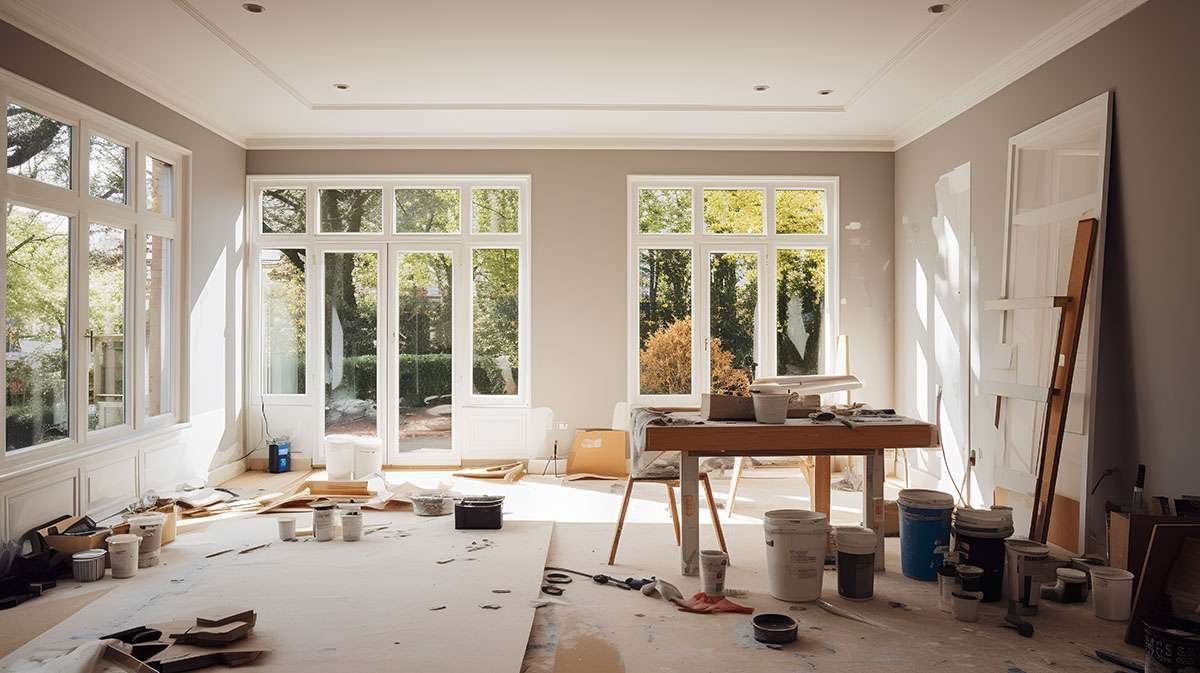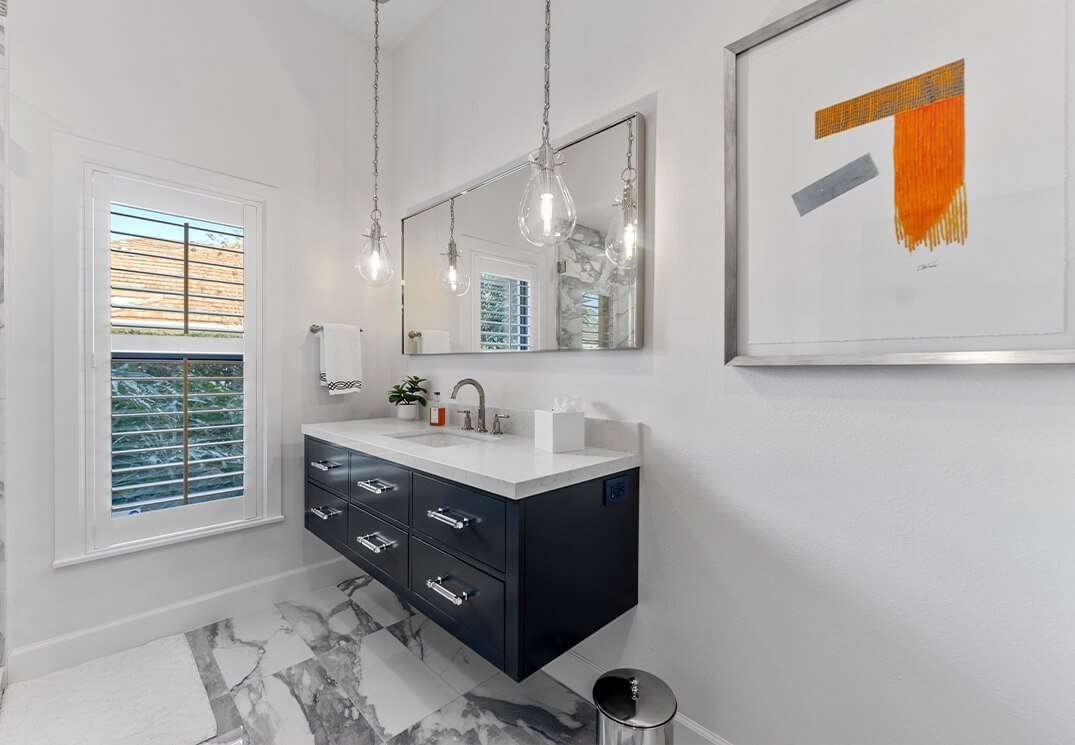

Renovating your home is an exciting opportunity to enhance its beauty and functionality, and one of the most impactful ways to achieve this is by maximizing natural light. At Ryan’s Home Improvement & Renovation, we specialize in transforming spaces to make them brighter and more inviting. Whether you’re considering a kitchen remodel, bathroom upgrade, or a full home renovation, incorporating natural light can significantly improve the ambiance and energy efficiency of your home. Serving Broward and Palm Beach Counties, our expert team is dedicated to delivering high-quality craftsmanship and innovative solutions tailored to your needs. By strategically placing windows, choosing the right paint colors, and utilizing reflective surfaces, you can create a more open and airy atmosphere. Our competitive pricing and transparent communication ensure a seamless renovation experience. Contact us today for a free estimate and let us help you bring more natural light into your home.
Understanding the Benefits of Natural Light
Natural light is an essential element in home design and renovation, offering a multitude of benefits that go beyond mere aesthetics. As homeowners increasingly seek to create healthier, more sustainable living environments, understanding the advantages of natural light becomes crucial. This knowledge can guide decisions during renovations to maximize the use of daylight, ultimately enhancing the quality of life within the home.
One of the most significant benefits of natural light is its positive impact on mental and physical health. Exposure to natural light has been shown to improve mood and reduce symptoms of depression. According to a study published in the Journal of Affective Disorders, individuals who receive more natural light during the day report higher levels of happiness and lower levels of stress. This is because natural light helps regulate the body’s circadian rhythm, which is essential for maintaining a healthy sleep-wake cycle. Proper exposure to daylight can lead to better sleep quality, increased energy levels, and improved overall well-being.
Moreover, natural light is a powerful tool for enhancing the aesthetic appeal of a home. It can make spaces appear larger, more inviting, and more vibrant. By strategically placing windows, skylights, and glass doors, homeowners can create a dynamic interplay of light and shadow that adds depth and interest to interior spaces. This not only enhances the visual appeal but also increases the value of the property. Homes that are well-lit with natural light are often more attractive to potential buyers, making them a wise investment for the future.
In addition to aesthetic and health benefits, natural light plays a crucial role in energy efficiency. By maximizing the use of daylight, homeowners can significantly reduce their reliance on artificial lighting, leading to lower electricity bills. The U.S. Department of Energy states that effective use of natural light can reduce lighting energy use by 50% to 80% in homes. This reduction in energy consumption not only saves money but also contributes to environmental sustainability by decreasing the home’s carbon footprint.
Furthermore, natural light can enhance the functionality of a home. Well-lit spaces are more conducive to activities such as reading, cooking, and working, which require adequate lighting. For instance, a kitchen that is bathed in natural light can become a more pleasant and efficient space for meal preparation. Similarly, a home office with ample daylight can boost productivity and concentration. By considering the orientation of the home and the placement of windows during renovations, homeowners can optimize the functionality of each room.
To fully leverage the benefits of natural light, it is important to address potential challenges such as glare and heat gain. Using window treatments like blinds, shades, or films can help control the intensity of sunlight entering the home, preventing discomfort and protecting furnishings from UV damage. Additionally, incorporating elements like light shelves or reflective surfaces can help distribute light more evenly throughout a space, minimizing glare and maximizing illumination.
Incorporating natural light into home renovations requires thoughtful planning and design. Homeowners can consult with professionals to explore innovative solutions that suit their specific needs and preferences. For those interested in learning more about the process, visiting our blog or reaching out through our contact page can provide valuable insights and guidance.
In conclusion, the benefits of natural light in home renovations are multifaceted, encompassing health, aesthetic, energy efficiency, and functionality. By understanding and harnessing these advantages, homeowners can create living spaces that are not only beautiful and comfortable but also sustainable and conducive to a healthier lifestyle. Embracing natural light is a smart choice for those looking to enhance their homes and improve their quality of life.
For further reading and examples, consider the following resources:
- U.S. Department of Energy: Energy Saver – Daylighting: https://www.energy.gov/energysaver/lighting-controls/daylighting
- Journal of Affective Disorders: The impact of natural light on mood and mental health: https://www.jad-journal.com/
- Environmental Protection Agency: Indoor Air Quality and Natural Light: https://www.epa.gov/indoor-air-quality-iaq
By integrating these insights into your renovation plans, you can make informed decisions that maximize the benefits of natural light in your home.
Assessing Your Current Light Situation
Before embarking on a renovation project aimed at maximizing natural light, it is crucial to assess your current light situation. This initial step will help you understand the existing conditions and identify areas for improvement. Begin by observing the natural light patterns in your home throughout the day. Take note of which rooms receive the most sunlight and at what times. This will help you determine the orientation of your home and how it affects light distribution. South-facing rooms typically receive the most sunlight, while north-facing rooms may require additional strategies to enhance natural light.
Consider the size and placement of your windows. Large windows or those positioned to capture the sun’s path can significantly increase the amount of natural light entering a room. If your windows are small or obstructed by furniture or heavy drapes, you might be missing out on potential sunlight. Evaluate whether window replacements or adjustments could improve light penetration. Additionally, check for any external obstructions such as trees, buildings, or overhangs that might block sunlight. Trimming trees or adjusting landscaping can sometimes enhance light flow into your home.
The color scheme of your interior also plays a vital role in light reflection. Light-colored walls, ceilings, and floors can help bounce light around the room, making it feel brighter and more open. Consider whether a fresh coat of paint in a lighter shade could enhance the natural light in your space. Mirrors and reflective surfaces can also amplify light, so think about incorporating these elements into your design.
Another aspect to consider is the functionality of each room. Different spaces have varying light requirements based on their use. For instance, a kitchen or home office may benefit from more direct sunlight, while a bedroom might require softer, diffused light. Understanding the needs of each room will guide your renovation decisions and help you prioritize areas that require more attention.
If you’re planning a more extensive renovation, such as a full home renovation or room additions, consider how structural changes can enhance natural light. Removing non-load-bearing walls or adding skylights are effective ways to increase light flow. Consulting with a professional can provide insights into the best structural modifications for your home.
Finally, assess the condition of your current windows and doors. Energy-efficient windows not only help with insulation but also maximize the amount of natural light entering your home. Consider upgrading to double-glazed or low-emissivity glass to improve both light and energy efficiency. If you’re unsure about the best options for your home, reaching out to a professional service can provide valuable guidance. For more information on how to prepare for a successful renovation project, visit our guide.
In summary, assessing your current light situation involves a comprehensive evaluation of your home’s orientation, window placement, interior color scheme, room functionality, and structural possibilities. By understanding these factors, you can make informed decisions that will enhance natural light and transform your living space. For more ideas and inspiration, explore our gallery of completed projects.
Strategic Window Placement for Optimal Light
When undertaking a renovation project, one of the most impactful decisions you can make is the strategic placement of windows to maximize natural light. This not only enhances the aesthetic appeal of your home but also contributes to energy efficiency and overall well-being. Natural light has been shown to improve mood, increase productivity, and even promote better sleep patterns. Therefore, understanding how to position windows effectively is crucial for any renovation project aimed at optimizing light.
The first step in strategic window placement is to assess the orientation of your home. The direction your home faces will significantly influence how much natural light each room receives throughout the day. South-facing windows typically receive the most sunlight, making them ideal for living rooms or areas where you spend a lot of time during the day. East-facing windows are perfect for capturing the morning sun, which can be beneficial for bedrooms or kitchens. On the other hand, west-facing windows receive strong afternoon sunlight, which can be intense but is perfect for spaces like dining rooms where evening light is desirable. North-facing windows provide consistent, soft light, making them suitable for areas where you want to avoid harsh glare.
Once you have assessed the orientation, consider the size and shape of the windows. Larger windows naturally allow more light to enter a space, but they also need to be balanced with privacy and insulation needs. Floor-to-ceiling windows or sliding glass doors can create a seamless connection between indoor and outdoor spaces, flooding the interior with light. However, if privacy is a concern, consider using frosted glass or strategic landscaping to maintain a sense of seclusion without sacrificing light.
The placement of windows should also take into account the function of the room. For instance, in a kitchen, placing windows above countertops or near workspaces can provide ample light for cooking and food preparation. In bathrooms, high windows or skylights can offer privacy while still allowing natural light to brighten the space. For home offices or study areas, positioning a desk near a window can enhance productivity by reducing the need for artificial lighting during the day.
In addition to the placement and size of windows, consider incorporating elements such as clerestory windows or transoms. These are smaller windows placed high on a wall, which can bring in additional light without compromising privacy. They are particularly useful in rooms with limited wall space or in areas where you want to maintain wall space for furniture or artwork.
Another important aspect of maximizing natural light is the use of reflective surfaces. Light-colored walls, ceilings, and floors can help bounce light around a room, making it feel brighter and more open. Mirrors are also an effective tool for reflecting light and can be strategically placed to enhance the natural light coming through windows.
When planning your renovation, it is also essential to consider the impact of window treatments. While curtains and blinds are necessary for privacy and light control, choosing the right materials and colors can enhance natural light rather than block it. Sheer curtains or light-filtering shades can provide privacy while still allowing light to diffuse into the room.
For those looking to undertake a more comprehensive renovation, consider consulting with professionals who specialize in maximizing natural light. At Ryan’s Home Improvement, our experts can guide you through the process, ensuring that your renovation not only meets your aesthetic goals but also enhances the natural light in your home. Whether you are considering a full home renovation or specific room additions, our team is equipped to help you achieve the perfect balance of light and design.
In conclusion, strategic window placement is a critical component of any renovation project aimed at maximizing natural light. By carefully considering the orientation, size, and function of windows, as well as incorporating reflective surfaces and appropriate window treatments, you can transform your living space into a bright, welcoming environment. For more information on how to prepare your home for a successful renovation project, visit our guide on our website.
Choosing the Right Window Styles
When embarking on a renovation project with the goal of maximizing natural light, selecting the right window styles is crucial. The choice of window styles can significantly influence the amount of natural light that enters a space, impacting both the aesthetics and functionality of your home. Understanding the different window styles and their benefits can help you make informed decisions that enhance your living environment.
One of the most popular window styles for maximizing natural light is the picture window. These large, fixed-pane windows offer unobstructed views and allow a significant amount of light to flood into a room. Picture windows are ideal for rooms with beautiful outdoor views, as they create a seamless connection between the interior and exterior spaces. However, because they do not open, they are best used in conjunction with other window styles that provide ventilation.
Casement windows are another excellent choice for those looking to increase natural light. Hinged at the side and opening outward, casement windows can be fully opened to allow maximum light and airflow. They are particularly effective when placed in areas that receive direct sunlight, as they can be angled to capture and direct light into the room. Additionally, casement windows often have fewer muntins, or dividing bars, which means less obstruction to the view and more light penetration.
For a more traditional look, double-hung windows offer both style and functionality. These windows consist of two sashes that slide vertically, allowing for versatile ventilation options. By opening both the top and bottom sashes, you can create a natural convection current that draws fresh air in through the bottom and expels warm air through the top. This style is particularly effective in rooms where temperature control is as important as natural light.
Bay and bow windows are also excellent options for maximizing light while adding architectural interest to a home. These window styles extend outward from the main walls, creating a nook that can be used for seating or display. The multiple panes of glass in bay and bow windows capture light from different angles, brightening the room throughout the day. They are perfect for living rooms or dining areas where you want to create a focal point that also enhances natural illumination.
Skylights and roof windows are unique solutions for spaces where traditional windows may not be feasible, such as attics or rooms with limited wall space. By installing windows in the ceiling, you can bring in an abundance of natural light from above, transforming dark, enclosed areas into bright, inviting spaces. Skylights are particularly effective in rooms that require privacy, such as bathrooms, where wall windows may not be practical.
When choosing window styles, consider the orientation of your home and the path of the sun throughout the day. South-facing windows generally receive the most sunlight, making them ideal for larger window installations. East-facing windows capture morning light, while west-facing windows benefit from afternoon and evening sun. North-facing windows receive the least direct sunlight but can still provide consistent, soft illumination.
In addition to style, the materials and finishes of your windows can also impact the amount of natural light in your home. Opt for frames with slim profiles to maximize the glass area and allow more light to enter. Consider using low-emissivity (low-E) glass, which reduces glare and heat gain while still allowing ample light to pass through. This type of glass can help maintain a comfortable indoor temperature and protect furnishings from UV damage.
To further enhance the natural light in your home, consider pairing your window choices with complementary design elements. Light-colored walls and reflective surfaces, such as mirrors and glass furniture, can amplify the effect of natural light. Additionally, strategic placement of artificial lighting can help balance the light levels in the evening or on cloudy days.
Ultimately, the right window styles can transform your home by maximizing natural light, improving energy efficiency, and enhancing the overall aesthetic. By carefully considering your options and consulting with professionals, you can create a bright, welcoming environment that meets your needs and preferences. For more information on how to choose the best window styles for your renovation project, visit our services page or contact us for personalized advice.
Incorporating Skylights and Roof Windows
Incorporating skylights and roof windows into your renovation project is a highly effective strategy for maximizing natural light in your home. These architectural features not only enhance the aesthetic appeal of your living space but also offer numerous practical benefits. Skylights and roof windows can transform dark, uninviting rooms into bright, welcoming spaces by allowing sunlight to flood in from above. This influx of natural light can significantly reduce the need for artificial lighting during the day, leading to energy savings and a reduction in electricity bills. Moreover, natural light is known to improve mood and boost productivity, making your home a more pleasant and efficient place to live.
When considering the installation of skylights or roof windows, it is essential to evaluate the specific needs and characteristics of your home. The placement of these features is crucial; ideally, they should be positioned to capture the maximum amount of sunlight throughout the day. South-facing roofs are often the best candidates for skylights, as they receive the most sunlight. However, east or west-facing installations can also be effective, depending on the desired amount of morning or afternoon light. It is also important to consider the size and style of the skylights or roof windows. Larger installations will naturally allow more light to enter, but they may also require additional structural support. Various styles, such as fixed, vented, or tubular skylights, offer different benefits and should be chosen based on your specific requirements and preferences.
In addition to enhancing natural light, skylights and roof windows can improve ventilation in your home. Vented skylights can be opened to allow fresh air to circulate, which is particularly beneficial in areas like kitchens and bathrooms where moisture and odors can accumulate. This feature can help maintain a healthy indoor environment and reduce the reliance on air conditioning systems, further contributing to energy efficiency. For those concerned about privacy, skylights offer the advantage of bringing in light without compromising seclusion, as they are typically installed on the roof rather than walls.
The integration of skylights and roof windows into your renovation project should be approached with careful planning and consideration. Consulting with a professional can ensure that the installation is done correctly and safely, taking into account factors such as roof structure, insulation, and weatherproofing. At Ryan’s Home Improvement, we offer comprehensive renovation services that include the installation of skylights and roof windows. Our team of experts can guide you through the process, helping you choose the right products and ensuring a seamless integration into your home design.
Furthermore, the addition of skylights and roof windows can increase the overall value of your property. Homes that are well-lit and energy-efficient are highly attractive to potential buyers, making these features a worthwhile investment. Whether you are planning a room addition or a complete home renovation, incorporating skylights and roof windows can significantly enhance the functionality and appeal of your living space.
In conclusion, skylights and roof windows are a versatile and effective solution for maximizing natural light in your home renovation project. They offer numerous benefits, from energy savings and improved ventilation to enhanced aesthetic appeal and increased property value. By carefully planning their installation and working with experienced professionals, you can transform your home into a brighter, more inviting space. For more information on how to incorporate these features into your renovation, visit our blog or contact us directly to discuss your project needs.
Using Glass Doors to Enhance Light Flow
Incorporating glass doors into your renovation project is an excellent strategy for maximizing natural light in your home. Glass doors, whether they are sliding, French, or bi-fold, serve as a conduit for light, allowing it to flow freely between spaces and creating a brighter, more inviting atmosphere. This approach not only enhances the aesthetic appeal of your home but also contributes to energy efficiency by reducing the need for artificial lighting during daylight hours. When planning a renovation, consider the strategic placement of glass doors to connect indoor and outdoor spaces seamlessly. For instance, installing sliding glass doors that open onto a patio or garden can blur the lines between the interior and exterior, bringing the beauty of the outdoors inside and flooding your living areas with natural light. This can be particularly effective in areas like the living room or kitchen, where you spend a significant amount of time and where natural light can enhance both functionality and mood.
Moreover, glass doors can be used to partition interior spaces without sacrificing light flow. For example, using glass doors to separate a home office from a living area allows for privacy while maintaining an open, airy feel. This is especially beneficial in homes with open floor plans, where maintaining a sense of spaciousness is key. The transparency of glass doors ensures that light can penetrate even the most secluded corners of your home, creating a sense of continuity and openness. Additionally, glass doors come in a variety of styles and finishes, from clear to frosted or textured glass, allowing you to customize the level of privacy and light diffusion according to your needs.
When selecting glass doors, consider the orientation of your home and the path of the sun throughout the day. South-facing doors will capture the most sunlight, while east- or west-facing doors can provide beautiful morning or afternoon light. It’s also important to consider the thermal performance of the glass to ensure that your home remains comfortable year-round. High-quality glass doors are designed to minimize heat transfer, keeping your home cool in the summer and warm in the winter. This can be a crucial factor in reducing energy costs and enhancing the overall sustainability of your home.
For those embarking on a full home renovation, integrating glass doors can be a transformative element that elevates the entire design. Whether you are considering a kitchen remodeling project or a bathroom renovation, glass doors can be tailored to fit any space, providing both functionality and style. They can also be a key feature in complete home remodeling services that aim to transform your living space into a light-filled sanctuary. By thoughtfully incorporating glass doors into your renovation plans, you can create a home that not only looks beautiful but also feels more connected to the natural world.
The Role of Mirrors in Light Maximization
Mirrors have long been a staple in interior design, not only for their aesthetic appeal but also for their functional benefits. When it comes to maximizing natural light during renovations, mirrors play a pivotal role. They are an effective tool for enhancing the brightness of a space, making rooms feel larger and more inviting. By strategically placing mirrors, homeowners can significantly increase the amount of natural light that permeates their living spaces, creating a more vibrant and energy-efficient environment.
The primary way mirrors enhance natural light is through reflection. When positioned correctly, mirrors can reflect sunlight deeper into a room, effectively doubling the amount of light that enters. This is particularly beneficial in spaces with limited windows or in rooms that do not receive direct sunlight. For instance, placing a large mirror opposite a window can capture and bounce light throughout the room, brightening even the darkest corners. This technique is especially useful in urban settings where buildings are closely packed, and natural light is at a premium.
In addition to their reflective properties, mirrors can also create the illusion of space. In smaller rooms, mirrors can make the area appear larger and more open. This is achieved by reflecting the room back on itself, which tricks the eye into perceiving more space than is actually present. This optical illusion is not only beneficial for aesthetic purposes but also enhances the overall ambiance of the room, making it feel more comfortable and less confined.
When incorporating mirrors into a renovation project, it is important to consider their placement carefully. For optimal light maximization, mirrors should be placed in areas where they can catch and reflect the most light. This might include positioning them near windows, opposite light sources, or in narrow hallways where light is limited. Additionally, using multiple mirrors in a single space can create a dynamic interplay of light and reflection, further enhancing the brightness and depth of the room.
The choice of mirror style and frame can also impact the effectiveness of light maximization. Frameless mirrors or those with minimalistic frames tend to blend seamlessly into the decor, allowing the focus to remain on the light reflection rather than the mirror itself. On the other hand, decorative frames can add a touch of elegance and complement the overall design theme of the room. It is essential to balance functionality with aesthetics to achieve the desired effect.
Moreover, mirrors can be integrated into various elements of a home renovation. For example, mirrored backsplashes in kitchens not only add a modern touch but also help distribute light across the room. Similarly, mirrored closet doors in bedrooms can enhance light flow while providing practical storage solutions. In bathrooms, large mirrors above vanities are a common feature that serves both functional and light-enhancing purposes. For more ideas on how to incorporate mirrors into your renovation, consider exploring our kitchen remodeling and bathroom remodeling services.
Incorporating mirrors into a renovation project is not only a cost-effective way to maximize natural light but also contributes to energy efficiency. By increasing the amount of natural light in a home, reliance on artificial lighting can be reduced, leading to lower energy consumption and utility bills. This is particularly advantageous in regions with abundant sunlight, where mirrors can be used to harness and distribute this natural resource effectively.
Furthermore, mirrors can be used to highlight architectural features and enhance the overall design of a space. By reflecting unique elements such as exposed beams, textured walls, or artistic decor, mirrors can draw attention to these features and create a cohesive design narrative. This adds depth and interest to a room, making it more visually appealing and engaging.
For those considering a full home renovation, integrating mirrors into the design plan can yield significant benefits. Whether you are looking to brighten a single room or transform your entire living space, mirrors offer a versatile solution that can be tailored to meet your specific needs. To learn more about how mirrors can be used in your renovation project, visit our full home renovation page.
In conclusion, mirrors are an invaluable asset in the quest to maximize natural light during renovations. Their ability to reflect light, create the illusion of space, and enhance design elements makes them a versatile and effective tool for any home improvement project. By carefully considering their placement and style, homeowners can transform their living spaces into bright, welcoming environments that are both beautiful and energy-efficient. Whether you are undertaking a minor update or a complete renovation, incorporating mirrors into your design strategy can help you achieve your goals and create a home that is both functional and aesthetically pleasing.
Selecting Light-Reflective Paint Colors
When it comes to maximizing natural light in renovations, one of the most effective strategies is selecting the right paint colors. Light-reflective paint colors can significantly enhance the brightness of a room by bouncing natural light around the space, making it feel more open and airy. Choosing the right shades can transform a dimly lit area into a vibrant and welcoming environment. To achieve this, it is essential to understand how different colors and finishes interact with light.
Firstly, consider the color palette. Lighter shades are generally more reflective than darker ones. Whites, creams, and pastels are excellent choices for maximizing light reflection. These colors have high Light Reflectance Values (LRV), which measure the percentage of light a color reflects. For instance, a pure white paint can have an LRV of nearly 100, meaning it reflects almost all the light that hits it. However, pure white can sometimes feel stark or cold, so off-whites or soft neutrals are often preferred for a warmer ambiance. Colors like soft beige, light gray, or pale blue can add warmth and personality while still enhancing natural light.
In addition to color, the finish of the paint also plays a crucial role in light reflection. Glossy or semi-gloss finishes are more reflective than matte or eggshell finishes. While high-gloss paints can be too shiny for some tastes, they are excellent for areas where you want to maximize light, such as small rooms or spaces with limited natural light. Semi-gloss finishes strike a balance by offering some reflectivity without being overly shiny, making them suitable for most living areas.
When selecting paint colors, it is also important to consider the orientation of the room and the quality of natural light it receives. North-facing rooms tend to have cooler, softer light, which can make colors appear more muted. In such spaces, warmer tones like creamy whites or soft yellows can help counteract the coolness. Conversely, south-facing rooms receive warm, direct sunlight, which can intensify colors. In these rooms, cooler shades like light blues or greens can create a refreshing balance.
Another factor to consider is the interaction of paint colors with other elements in the room, such as flooring, furniture, and decor. Light-reflective colors can enhance the overall aesthetic by complementing these elements. For example, pairing a light-reflective wall color with a dark wood floor can create a striking contrast that highlights both the floor and the walls. Similarly, light-colored walls can serve as a neutral backdrop that allows colorful artwork or furniture to stand out.
For those planning a renovation, consulting with a professional painting service can provide valuable insights into selecting the best light-reflective colors for your space. At Ryan’s Home Improvement, our experts can guide you through the process, ensuring that your color choices not only enhance natural light but also align with your overall design vision. Whether you are undertaking a full home renovation or simply refreshing a single room, the right paint colors can make a significant difference in the look and feel of your home.
In conclusion, selecting light-reflective paint colors is a key step in maximizing natural light during renovations. By choosing the right shades and finishes, you can create a bright, inviting space that feels larger and more open. Consider the orientation of your rooms, the quality of natural light they receive, and how your color choices will interact with other elements in the space. With careful planning and expert guidance, you can transform your home into a light-filled haven that enhances both comfort and style. For more information on how to prepare your home for a successful renovation, visit our guide on our website.
Open Floor Plans: Enhancing Light Distribution
Open floor plans have become a popular choice in modern home renovations, particularly for those aiming to maximize natural light. By removing unnecessary walls and barriers, open floor plans create expansive, flowing spaces that allow light to travel freely throughout the home. This design approach not only enhances the aesthetic appeal of a space but also significantly improves the distribution of natural light, making interiors feel brighter and more welcoming.
One of the primary benefits of open floor plans is their ability to connect different areas of a home seamlessly. By eliminating walls that traditionally separate rooms, such as the kitchen, living room, and dining area, light can penetrate deeper into the home. This is especially beneficial in homes where certain areas might otherwise be deprived of natural light due to their location. For instance, a kitchen that is centrally located might not have direct access to windows, but with an open floor plan, light from adjacent rooms can illuminate the space effectively. This not only reduces the need for artificial lighting during the day but also creates a more cohesive and inviting environment.
Moreover, open floor plans can enhance the perception of space. By allowing light to flow uninterrupted, rooms appear larger and more expansive. This is particularly advantageous in smaller homes or apartments where maximizing every square foot is essential. The absence of walls means that light can bounce off surfaces more freely, creating an airy and open atmosphere. This effect can be further amplified by using light-colored paints and reflective surfaces, which help to distribute light more evenly throughout the space. For those considering a renovation, incorporating an open floor plan can be a strategic move to enhance both the functionality and aesthetic of a home.
In addition to improving light distribution, open floor plans also foster a sense of connectivity and interaction among family members. With fewer barriers, communication becomes easier, and family members can engage with each other even when they are in different parts of the home. This design is particularly appealing for families who enjoy entertaining, as it allows for a more inclusive and interactive environment. Guests can move freely between spaces, and hosts can prepare meals while still engaging with their guests. This level of connectivity is a significant advantage of open floor plans, making them a popular choice for modern living.
When planning a renovation with an open floor plan, it is essential to consider the structural implications. Removing walls may require additional support, such as beams or columns, to maintain the integrity of the building. Consulting with a professional can ensure that the design is both aesthetically pleasing and structurally sound. Additionally, it is important to consider the placement of furniture and decor to maintain the flow of light and avoid creating new barriers. Strategic placement of furniture can help define different areas within the open space without obstructing the light flow.
For those interested in exploring the possibilities of open floor plans, it is advisable to seek professional guidance. At Ryan’s Home Improvement, we offer comprehensive renovation services that can help transform your living space into a light-filled haven. Our team of experts can assist in designing an open floor plan that maximizes natural light while meeting your specific needs and preferences. Whether you are looking to remodel your kitchen, living room, or entire home, we have the expertise to bring your vision to life.
In conclusion, open floor plans are an effective way to enhance light distribution in home renovations. By removing unnecessary walls and creating a seamless flow between spaces, natural light can penetrate deeper into the home, creating a brighter and more inviting environment. This design approach not only improves the aesthetic appeal of a home but also fosters a sense of connectivity and interaction among family members. For those considering a renovation, an open floor plan can be a strategic choice to maximize natural light and transform your living space. To learn more about how open floor plans can benefit your home, visit our blog or contact us for a consultation.
Utilizing Light Shelves and Reflectors
Maximizing natural light in home renovations is an essential consideration for homeowners looking to create bright, inviting, and energy-efficient spaces. One effective strategy to achieve this is through the use of light shelves and reflectors. These architectural elements are designed to enhance the distribution of natural light within a room, reducing the need for artificial lighting and contributing to a more sustainable living environment. Light shelves are horizontal surfaces installed above eye level on windows, designed to reflect daylight deeper into a room. They work by bouncing sunlight off their surfaces and directing it towards the ceiling, which then diffuses the light throughout the space. This not only brightens the room but also helps to reduce glare and improve visual comfort. Reflectors, on the other hand, can be strategically placed on walls or ceilings to further enhance the distribution of light. By reflecting light into darker corners, they ensure that every part of the room benefits from natural illumination.
The benefits of incorporating light shelves and reflectors into your renovation project are manifold. Firstly, they can significantly reduce energy consumption by minimizing the need for artificial lighting during daylight hours. This not only lowers electricity bills but also contributes to a reduction in carbon footprint, aligning with sustainable living goals. Additionally, natural light has been shown to improve mood and productivity, making spaces more pleasant and conducive to work or relaxation. For those considering a full home renovation, integrating these elements can be a key component of a comprehensive strategy to enhance the overall ambiance and functionality of the home.
When planning to incorporate light shelves and reflectors, it is important to consider the orientation of your home and the specific characteristics of each room. South-facing rooms, for example, receive more direct sunlight and can benefit greatly from these features. It is also crucial to select materials that are both reflective and aesthetically pleasing, ensuring that they complement the existing design of your home. Consulting with a professional can provide valuable insights into the best practices for installation and integration. At Ryan’s Home Improvement, we offer a range of full home renovation services that can help you make the most of natural light in your living spaces. Our team of experts is dedicated to transforming your home into a bright and welcoming environment.
Moreover, light shelves and reflectors can be customized to fit the unique needs and style of your home. Whether you are undertaking a kitchen remodeling project or adding a new room, these elements can be tailored to enhance the specific characteristics of each space. For instance, in a kitchen, where task lighting is crucial, strategically placed reflectors can ensure that countertops and work areas are well-lit throughout the day. Similarly, in living rooms or bedrooms, light shelves can create a soft, ambient glow that enhances the overall atmosphere.
Incorporating light shelves and reflectors into your renovation project is not just about aesthetics; it is also about creating a healthier and more sustainable living environment. By maximizing natural light, you can reduce your reliance on artificial lighting, lower energy costs, and create a home that is both beautiful and functional. If you are interested in learning more about how to effectively utilize these elements in your renovation, feel free to contact us at Ryan’s Home Improvement. Our team is here to guide you through every step of the process, ensuring that your renovation project is a success.
Landscaping Tips to Maximize Indoor Light
When planning a home renovation with the goal of maximizing natural light, it’s essential to consider not only the interior design but also the exterior landscaping. Thoughtful landscaping can significantly enhance the amount of natural light that enters your home, creating a brighter and more inviting living space. One of the key strategies is to carefully select and position trees and shrubs around your home. Opt for deciduous trees, which provide shade in the summer and allow sunlight to filter through in the winter when they shed their leaves. This seasonal adaptability ensures that your home receives ample sunlight during the colder months while staying cool and shaded during the summer. Additionally, consider the height and placement of these trees. Plant taller trees on the north side of your property to avoid blocking the low-angle winter sun from the south. On the other hand, shorter trees or shrubs can be planted on the south side to allow sunlight to reach your windows without obstruction.
Another important aspect of landscaping for natural light is the use of reflective surfaces. Incorporating elements such as light-colored gravel, stone pathways, or even water features can help reflect sunlight into your home. These reflective surfaces can bounce light through windows and into darker areas of your interior, enhancing the overall brightness. Moreover, maintaining a well-manicured lawn and keeping hedges trimmed can prevent overgrowth from casting unwanted shadows on your home. Regular maintenance ensures that your landscaping continues to complement your efforts to maximize natural light.
In addition to plant selection and maintenance, consider the strategic placement of outdoor structures. Pergolas, trellises, and arbors can be designed to support climbing plants that provide dappled shade, allowing some light to filter through while still offering protection from harsh direct sunlight. These structures can be positioned near windows or patios to create a seamless transition between indoor and outdoor spaces, enhancing the flow of natural light into your home. Furthermore, using materials like lattice or open slats in these structures can allow for more light penetration compared to solid materials.
It’s also beneficial to evaluate the orientation of your home and its surroundings. If you’re planning a more extensive renovation, consider how the positioning of your home on the lot affects natural light exposure. Aligning your home to take advantage of the sun’s path can make a significant difference in the amount of light that enters your living spaces. For instance, positioning living areas and large windows on the south side of the house can maximize sunlight during the day. If you’re interested in exploring more about how to prepare your home for a successful renovation project, visit our guide.
Lastly, integrating technology into your landscaping can further enhance natural light. Automated systems for awnings or blinds can adjust to changing light conditions throughout the day, optimizing the amount of sunlight that enters your home. These systems can be programmed to retract awnings or open blinds during peak sunlight hours, ensuring that your home remains bright and welcoming. For those considering a comprehensive renovation, our full home renovation services can help you incorporate these advanced solutions into your design plan.
By thoughtfully designing your landscaping with natural light in mind, you can create a harmonious balance between your indoor and outdoor environments. This approach not only enhances the aesthetic appeal of your home but also contributes to energy efficiency by reducing the need for artificial lighting. For more ideas and inspiration, explore our gallery to see how others have successfully integrated landscaping into their light-maximizing renovation projects.
Balancing Privacy and Light with Window Treatments
When undertaking a renovation project, one of the key considerations is how to maximize natural light while maintaining privacy. This balance is crucial for creating a comfortable and inviting living space. Window treatments play a pivotal role in achieving this equilibrium, offering a range of options that can enhance both the aesthetic and functional aspects of your home. The right window treatments can transform a room, allowing you to enjoy the benefits of natural light without compromising on privacy.
Natural light is a valuable asset in any home, providing warmth, reducing the need for artificial lighting, and enhancing the overall ambiance. However, too much exposure can lead to issues such as glare, fading of furnishings, and a lack of privacy. This is where window treatments come into play, offering solutions that allow you to control the amount of light entering a room while ensuring privacy. Options such as sheer curtains, blinds, and shades can be tailored to suit your specific needs, providing flexibility in how much light you let in at different times of the day.
Sheer curtains are an excellent choice for those who want to maintain a bright and airy feel in their home. These lightweight fabrics diffuse sunlight, softening the intensity of the light while still allowing it to illuminate the room. They provide a level of privacy during the day, as they obscure the view from outside without completely blocking it. For added versatility, sheer curtains can be layered with heavier drapes or blackout curtains, giving you the option to block out light entirely when needed.
Blinds and shades offer another level of control, with a variety of styles available to suit different preferences. Venetian blinds, for example, allow you to adjust the angle of the slats to direct light exactly where you want it, while roller shades can be easily raised or lowered to let in as much or as little light as desired. Cellular shades are particularly effective for energy efficiency, as their honeycomb structure traps air, providing insulation that can help regulate indoor temperatures.
For those seeking a more modern and minimalist look, motorized blinds and shades offer convenience and style. These can be operated remotely, allowing you to adjust your window treatments with the touch of a button. This is particularly useful for hard-to-reach windows or for those who want to integrate their window treatments into a smart home system. Motorized options can be programmed to open and close at specific times, maximizing natural light during the day and ensuring privacy at night.
In addition to their practical benefits, window treatments also contribute to the overall design of a space. The choice of fabric, color, and style can complement your interior decor, adding texture and interest to a room. Whether you prefer the classic elegance of floor-length drapes or the sleek simplicity of roller shades, there are options to suit every taste and style.
When planning your renovation, it is important to consider how window treatments will fit into the overall design and functionality of your home. Consulting with a professional can help you explore the various options available and determine the best solutions for your specific needs. At Ryan’s Home Improvement, we offer a range of services to assist with your renovation project, ensuring that every aspect of your home is optimized for comfort and style. Whether you are undertaking a full home renovation or simply updating a single room, our team is here to help you achieve your vision.
In conclusion, balancing privacy and light with window treatments is an essential consideration in any renovation project. By carefully selecting the right options for your home, you can enjoy the benefits of natural light while maintaining the privacy and comfort you desire. With the right approach, window treatments can enhance both the functionality and aesthetic appeal of your living space, creating an environment that is both beautiful and practical. For more information on how to maximize natural light in your renovation, feel free to contact us today.
Energy Efficiency and Natural Light
When undertaking a renovation project, one of the most impactful strategies for enhancing both the aesthetic and functional aspects of a home is maximizing natural light. Not only does natural light create a more inviting and vibrant atmosphere, but it also plays a crucial role in improving energy efficiency. By thoughtfully incorporating natural light into your renovation plans, you can significantly reduce energy consumption and lower utility bills, all while creating a healthier and more sustainable living environment.
Natural light is a free and abundant resource that can drastically reduce the need for artificial lighting during daylight hours. By strategically placing windows, skylights, and glass doors, you can harness this natural resource to illuminate your home. This approach not only decreases the reliance on electrical lighting but also enhances the overall ambiance of your living spaces. Large windows and open floor plans allow sunlight to penetrate deeper into the home, reducing the need for artificial lighting and creating a sense of openness and connection with the outdoors.
In addition to reducing the need for artificial lighting, maximizing natural light can also contribute to more efficient heating and cooling. During the colder months, sunlight streaming through windows can provide passive solar heating, warming up your home naturally and reducing the need for additional heating. Conversely, during the warmer months, strategically placed windows and shading devices can help control the amount of heat entering your home, reducing the reliance on air conditioning. This balance not only enhances comfort but also leads to significant energy savings.
Moreover, the integration of natural light into your home renovation can improve indoor air quality and overall well-being. Exposure to natural light has been shown to boost mood, increase productivity, and regulate sleep patterns. By creating spaces that are bathed in natural light, you can enhance the quality of life for everyone in the home. This is especially important in areas like kitchens and bathrooms, where natural light can make tasks easier and more enjoyable. For those considering a kitchen remodel, incorporating large windows or a skylight can transform the space into a bright and welcoming environment. You can explore more about our kitchen remodeling services to see how we can help you achieve this.
When planning your renovation, it’s essential to consider the orientation of your home and the path of the sun throughout the day. South-facing windows typically receive the most sunlight, making them ideal for living areas where you spend the most time. East-facing windows can provide gentle morning light, perfect for bedrooms and breakfast nooks. West-facing windows, while offering beautiful sunset views, may require shading solutions to prevent overheating in the late afternoon. North-facing windows provide consistent, soft light, ideal for spaces like studios or home offices.
To further enhance energy efficiency, consider using energy-efficient windows and glazing options. Double or triple-glazed windows with low-emissivity coatings can help insulate your home, keeping it warm in the winter and cool in the summer. These windows are designed to reduce heat transfer, ensuring that your home remains comfortable year-round while minimizing energy consumption. Additionally, incorporating reflective surfaces and light-colored walls can help bounce natural light deeper into the room, maximizing its reach and effectiveness.
For those embarking on a full home renovation, integrating natural light should be a priority. By working with experienced professionals, you can design a renovation plan that optimizes natural light and enhances energy efficiency. Our full home renovation services are tailored to help you achieve a harmonious balance between aesthetics and functionality, ensuring that your home is both beautiful and sustainable.
In conclusion, maximizing natural light in your renovation project is a smart and sustainable choice that offers numerous benefits. From reducing energy consumption and lowering utility bills to improving indoor air quality and enhancing well-being, the advantages are clear. By thoughtfully incorporating natural light into your home, you can create a space that is not only visually stunning but also environmentally friendly. If you’re ready to transform your living space, don’t hesitate to contact us for expert guidance and support in bringing your vision to life.
Case Studies: Successful Light-Focused Renovations
In recent years, the emphasis on maximizing natural light in home renovations has gained significant traction. Homeowners and designers alike are recognizing the profound impact that natural light can have on the aesthetics, energy efficiency, and overall ambiance of a living space. To illustrate the transformative power of light-focused renovations, we delve into several case studies that highlight successful projects where natural light was a central theme.
One standout project involved a mid-century modern home that was originally characterized by small, compartmentalized rooms and limited window space. The homeowners desired a more open and airy feel while maintaining the architectural integrity of the home. The renovation team began by removing non-load-bearing walls to create an open floor plan, allowing light to flow freely throughout the space. Large, strategically placed windows and skylights were installed to maximize sunlight exposure. The result was a dramatic transformation: the once dim and confined home became a bright, inviting space that celebrated its mid-century roots while embracing modern design principles. This project not only enhanced the home’s aesthetic appeal but also improved its energy efficiency by reducing the need for artificial lighting during the day.
Another inspiring example is a historic townhouse renovation where the challenge was to introduce natural light without compromising the building’s classic charm. The design team opted for a combination of traditional and innovative solutions. They installed custom-made, energy-efficient windows that matched the original style of the building, ensuring that the historical character was preserved. Additionally, they incorporated light wells and reflective surfaces to amplify the available natural light. The use of glass partitions and open shelving further facilitated the flow of light between rooms. This thoughtful approach not only brightened the interior but also maintained the townhouse’s historical integrity, offering a perfect blend of old-world charm and modern comfort.
In a suburban family home, the focus was on creating a seamless connection between indoor and outdoor spaces. The renovation involved replacing a solid back wall with floor-to-ceiling glass doors that opened onto a newly landscaped garden. This not only flooded the interior with natural light but also extended the living space into the outdoors, creating a harmonious blend of nature and architecture. The use of light-colored materials and finishes throughout the home further enhanced the brightness and sense of space. This project exemplifies how a strategic focus on natural light can transform a standard suburban home into a modern oasis that promotes well-being and connectivity with nature.
For those considering a similar transformation, it’s essential to work with professionals who understand the nuances of light-focused design. At Ryan’s Home Improvement, we specialize in creating spaces that maximize natural light while meeting the unique needs of each client. Our services include everything from kitchen and bathroom remodeling to full home renovations, ensuring that every project is tailored to enhance the beauty and functionality of your home. Whether you’re looking to brighten a single room or undertake a complete home transformation, our team is dedicated to delivering exceptional results.
Moreover, incorporating natural light into your renovation project can significantly impact your home’s energy efficiency. By reducing reliance on artificial lighting and harnessing the power of the sun, you can lower energy costs and create a more sustainable living environment. Our experts at Ryan’s Home Improvement can guide you through the process, helping you choose the right materials and design elements to achieve your goals. For more information on how to prepare for a successful renovation, visit our guide.
In conclusion, these case studies demonstrate the transformative potential of light-focused renovations. By prioritizing natural light, homeowners can create spaces that are not only visually stunning but also energy-efficient and conducive to a healthier lifestyle. Whether you’re inspired by the idea of opening up your home to the outdoors or preserving the charm of a historic property while enhancing its brightness, the possibilities are endless. To explore how you can bring more natural light into your home, contact our team at Ryan’s Home Improvement. We are committed to helping you achieve your vision and transform your living space into a bright, welcoming sanctuary. For more inspiration and to see examples of our work, visit our gallery.
Certainly! Here’s a suitable FAQ section for a blog topic on "Maximizing Natural Light in Renovations":
FAQ: Maximizing Natural Light in Renovations
Q1: Why is maximizing natural light important in home renovations?
A1: Maximizing natural light in your home can enhance the aesthetic appeal, improve mood, and increase energy efficiency. Natural light can make spaces feel larger and more inviting, reduce the need for artificial lighting, and help regulate your circadian rhythms.
Q2: What are some effective ways to increase natural light during renovations?
A2: There are several strategies to increase natural light, including:
- Installing larger or additional windows and doors.
- Using glass doors or skylights.
- Opting for open floor plans to allow light to flow freely.
- Using reflective surfaces like mirrors and light-colored paint to bounce light around the room.
Q3: How can I choose the right windows to maximize natural light?
A3: When selecting windows, consider:
- Larger windows or floor-to-ceiling options to maximize light entry.
- High-performance glazing to improve energy efficiency.
- Window placement to capture the most sunlight throughout the day.
Q4: Are there any budget-friendly options to enhance natural light?
A4: Yes, some cost-effective methods include:
- Using mirrors strategically to reflect light.
- Painting walls and ceilings in lighter shades to enhance brightness.
- Trimming trees or bushes outside windows to allow more light in.
Q5: How can I ensure privacy while maximizing natural light?
A5: You can maintain privacy by using:
- Frosted or textured glass that allows light in while obscuring views.
- Sheer curtains or blinds that diffuse light but provide coverage.
- Strategic landscaping outside windows to block views without blocking light.
Q6: What should I consider when adding skylights?
A6: When adding skylights, consider:
- The orientation and angle to maximize light without overheating.
- Ventilated skylights for improved airflow.
- Energy-efficient models to prevent heat loss.
Q7: Can natural light impact the energy efficiency of my home?
A7: Yes, natural light can significantly impact energy efficiency. By reducing the need for artificial lighting and helping to heat spaces naturally, you can lower energy consumption. However, it’s essential to balance light with proper insulation and shading to prevent overheating.
Q8: How can I incorporate natural light in rooms with limited window space?
A8: For rooms with limited window space, consider:
- Using interior glass walls or transoms to share light between rooms.
- Installing solar tubes to bring light into darker areas.
- Choosing light-reflective materials and finishes to maximize available light.
These FAQs provide a comprehensive overview of how to maximize natural light in home renovations, addressing common concerns and offering practical solutions.