
Lighting plays a pivotal role in home renovations, significantly impacting the ambiance, functionality, and aesthetic appeal of your living spaces. At Ryan’s Home Improvement & Renovation, we understand that the right lighting can transform a room, enhancing its design and elevating your home’s overall comfort and quality. Whether you’re undertaking a kitchen remodeling project or a full home renovation, incorporating strategic lighting solutions is essential to achieving your desired look and feel. Our expert team is dedicated to crafting beautifully illuminated spaces that reflect your unique style while ensuring optimal functionality. From modern fixtures in bathroom remodeling to ambient lighting in room additions, we use premium materials and innovative design to create spaces that are both inviting and practical. As a leading provider of home improvement services in Broward County and Palm Beach County, including Fort Lauderdale and Boca Raton, we offer competitive pricing and exceptional craftsmanship. Discover how our lighting solutions can transform your home by contacting Ryan’s Home Improvement & Renovation today for a free consultation. Transform your space with our expert guidance and let your home shine in a new light.
Understanding the Impact of Natural vs. Artificial Lighting
Lighting plays a pivotal role in home renovations, influencing both the aesthetic appeal and functionality of living spaces. Understanding the impact of natural versus artificial lighting is crucial for homeowners aiming to create a harmonious and efficient environment. Each type of lighting has its unique characteristics, benefits, and challenges, which can significantly affect the outcome of a renovation project.
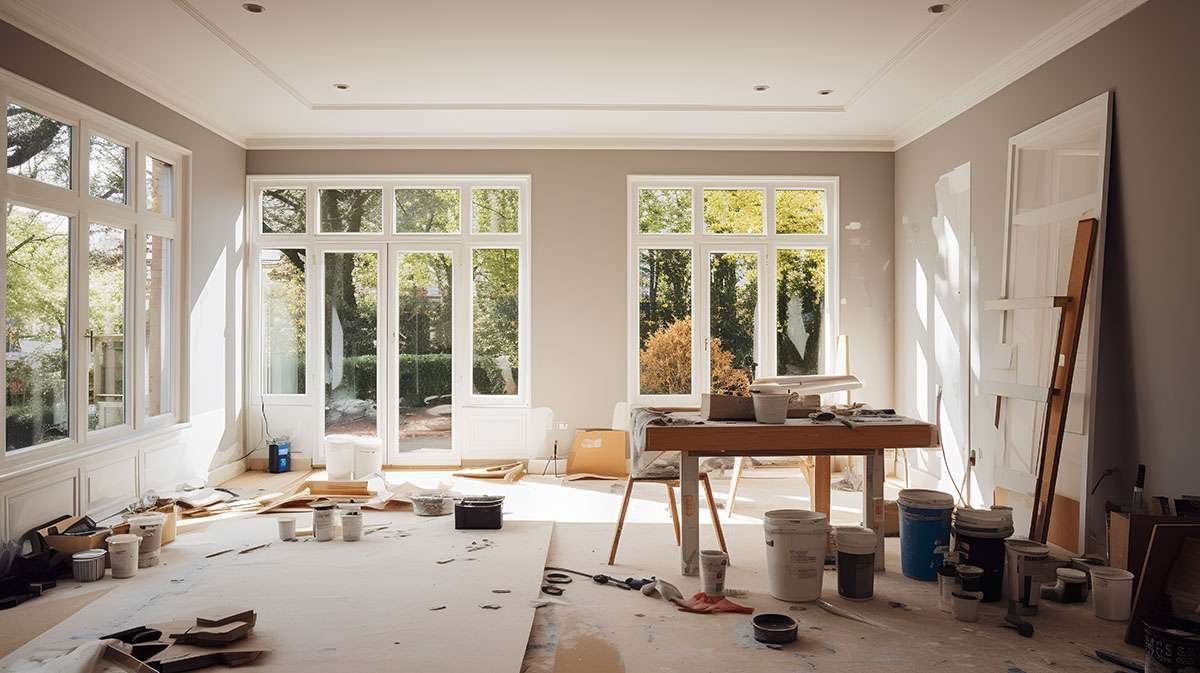
Natural lighting, often referred to as daylighting, is the use of sunlight to illuminate a space. It is a sustainable and cost-effective way to enhance the ambiance of a home. Natural light is known for its ability to make spaces appear larger and more inviting. It can also have a profound impact on the mood and well-being of the occupants. According to a study published in the Journal of Clinical Sleep Medicine, exposure to natural light during the day can improve sleep quality and increase productivity. Moreover, natural lighting reduces the need for artificial lighting during the day, leading to energy savings and a reduction in electricity bills.
However, maximizing natural light in a home renovation requires careful planning. Factors such as the orientation of the house, window placement, and the use of reflective surfaces must be considered. South-facing windows, for instance, can provide ample sunlight throughout the day, while strategically placed mirrors can help distribute light more evenly across a room. Additionally, the use of skylights and glass doors can further enhance the penetration of natural light into interior spaces.
On the other hand, artificial lighting is essential for providing illumination when natural light is insufficient, such as during nighttime or in windowless areas. It offers greater control over the intensity and direction of light, allowing homeowners to create specific moods and highlight architectural features. There are various types of artificial lighting, including ambient, task, and accent lighting, each serving a different purpose. Ambient lighting provides overall illumination, task lighting focuses on specific areas for activities like reading or cooking, and accent lighting is used to highlight artwork or architectural details.
The choice of artificial lighting can significantly impact the energy efficiency and environmental footprint of a home. LED lights, for example, are highly energy-efficient and have a longer lifespan compared to traditional incandescent bulbs. According to the U.S. Department of Energy, LEDs use at least 75% less energy and last 25 times longer than incandescent lighting. This makes them an excellent choice for homeowners looking to reduce their energy consumption and environmental impact.
When planning a home renovation, it is essential to strike a balance between natural and artificial lighting to achieve the desired aesthetic and functional outcomes. A well-lit home not only enhances the visual appeal but also improves the quality of life for its occupants. For those considering a renovation, consulting with lighting professionals can provide valuable insights into the best lighting solutions for their specific needs.
For more information on how lighting can transform your living space, consider exploring our full home renovation services. Our team of experts can help you create a lighting plan that maximizes both natural and artificial light, ensuring a beautiful and functional home environment. Additionally, if you have any questions or need further assistance, feel free to contact us.
In conclusion, understanding the impact of natural versus artificial lighting is a critical aspect of home renovations. By carefully considering the benefits and limitations of each type of lighting, homeowners can create spaces that are not only visually appealing but also energy-efficient and conducive to well-being. Whether you are planning a minor update or a complete overhaul, the right lighting strategy can make all the difference in achieving your renovation goals.
References:
- Journal of Clinical Sleep Medicine: Study on the impact of natural light on sleep quality.
- U.S. Department of Energy: Information on the energy efficiency of LED lighting.
- Additional resources on lighting design and home renovation strategies.
For more insights and tips on home renovation, visit our blog where we cover a wide range of topics to help you make informed decisions for your next project.
Choosing the Right Lighting Fixtures for Each Room
When embarking on a home renovation project, selecting the right lighting fixtures for each room is crucial to achieving the desired ambiance and functionality. Lighting plays a pivotal role in transforming spaces, enhancing aesthetics, and improving the overall mood of your home. Each room in your house serves a unique purpose, and the lighting should reflect and support these functions. Understanding the specific needs of each room will help you choose the most suitable lighting fixtures, ensuring that your home is both beautiful and practical.
In the living room, where family gatherings and social interactions often take place, a combination of ambient, task, and accent lighting is ideal. Ambient lighting provides overall illumination, while task lighting is essential for activities such as reading or playing games. Accent lighting can highlight artwork or architectural features, adding depth and interest to the space. Consider using a statement chandelier or pendant light as a focal point, complemented by floor lamps and wall sconces for layered lighting.
The kitchen is another area where layered lighting is essential. As a hub of activity, the kitchen requires bright, focused lighting for tasks such as cooking and food preparation. Under-cabinet lights are excellent for illuminating countertops, while pendant lights over an island or dining area can add style and additional light. Recessed ceiling lights can provide general illumination, ensuring the space is well-lit and functional. For more ideas on kitchen lighting, you can explore our kitchen remodeling services.
In the dining room, the lighting should create a warm and inviting atmosphere. A chandelier or pendant light centered over the dining table can serve as a stunning focal point. Dimmer switches are particularly useful in dining areas, allowing you to adjust the light intensity to suit different occasions, from intimate dinners to festive gatherings.
The bedroom is a personal retreat, and the lighting should promote relaxation and comfort. Soft, ambient lighting is key, with bedside lamps providing additional light for reading or other activities. Consider installing dimmable lights to create a soothing environment conducive to rest. Wall sconces or pendant lights can also be used to save space on bedside tables.
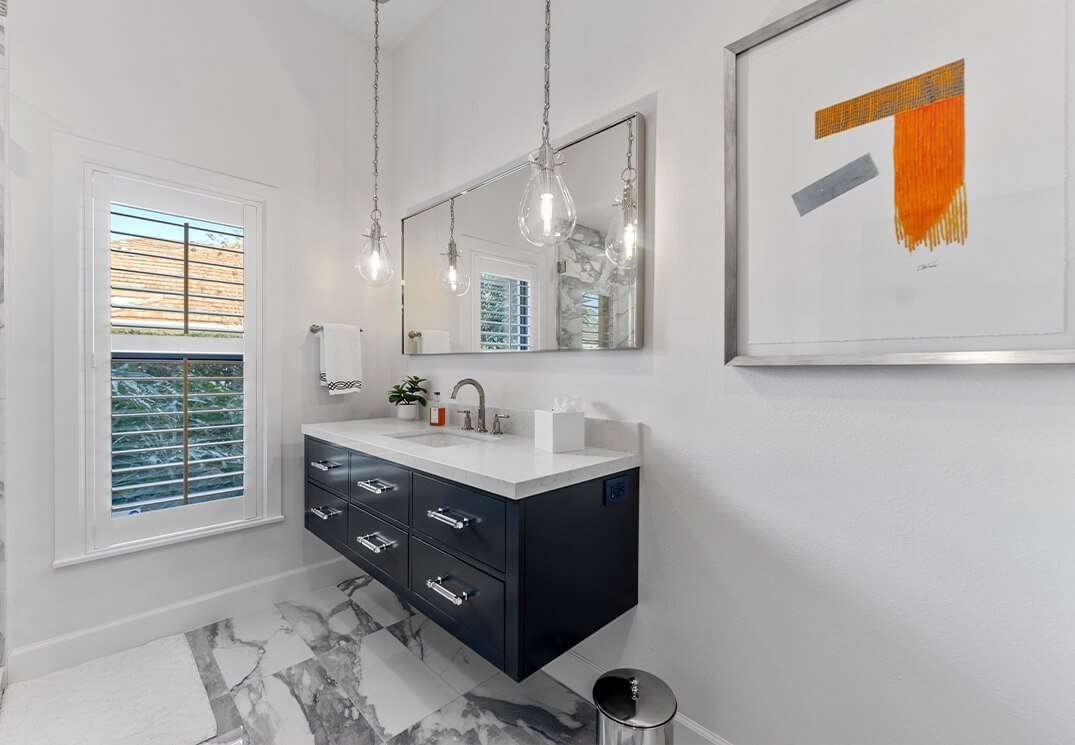
In the bathroom, functionality is paramount. Bright, even lighting is necessary for grooming tasks, so consider using a combination of overhead lights and vanity lighting. Wall-mounted sconces on either side of the mirror can reduce shadows and provide excellent illumination for tasks like shaving or applying makeup. For more insights on bathroom lighting, check out our bathroom remodeling services.
For home offices or study areas, task lighting is crucial to reduce eye strain and increase productivity. A desk lamp with adjustable brightness and direction can provide focused light for reading and computer work. Additionally, ambient lighting can help create a comfortable and inviting workspace.
Hallways and entryways often require bright, welcoming lighting to ensure safety and create a positive first impression. Ceiling fixtures or wall sconces can provide ample light, while accent lighting can highlight artwork or architectural details.
Outdoor lighting is also an important consideration, enhancing curb appeal and providing security. Pathway lights, porch lights, and landscape lighting can illuminate walkways and highlight the beauty of your home’s exterior.
Choosing the right lighting fixtures for each room involves considering the room’s purpose, the desired ambiance, and the overall design aesthetic. By carefully selecting and layering different types of lighting, you can create a harmonious and functional environment throughout your home. For more tips on home renovation and lighting, visit our blog or contact us for personalized advice.
In conclusion, lighting plays a pivotal role in the success of any home renovation project. It not only enhances the aesthetic appeal of a space but also significantly impacts its functionality and mood. Thoughtfully designed lighting can transform a room, highlighting architectural features, creating ambiance, and improving the overall quality of life for its inhabitants. Whether you’re aiming for a cozy, intimate setting or a bright, energizing environment, the right lighting choices can help you achieve your vision. As you embark on your home renovation journey, remember to consider the various types of lighting—ambient, task, and accent—and how they can be strategically used to complement your design goals. By prioritizing lighting in your renovation plans, you can create a home that is not only beautiful but also perfectly tailored to your lifestyle needs.